Postpartum Physical Therapy
Your Body Went Through Something Extraordinary
Expert postpartum pelvic floor therapy to help you heal, strengthen, and feel like yourself again — delivered to your home in Utah Valley.
Postpartum Physical Therapy
Does Your Body Feel Like It Doesn’t Belong to You Anymore?
You used to pick up your toddler without thinking twice. Now you leak a little every time you lift them. Your core feels hollow—like nothing is holding you together. Sneezing catches you off guard. Sex hurts, or feels completely different than it used to. You look in the mirror and wonder where your body went.
You’re not imagining it, and you’re not broken. These are real symptoms with real causes—and real solutions.
Postpartum pelvic floor physical therapy treats the root causes of leaking, pain, weakness, and pelvic pressure after childbirth. A specialist evaluates your entire body—not just your pelvis—and creates a treatment plan specific to your birth experience, your symptoms, and your goals.
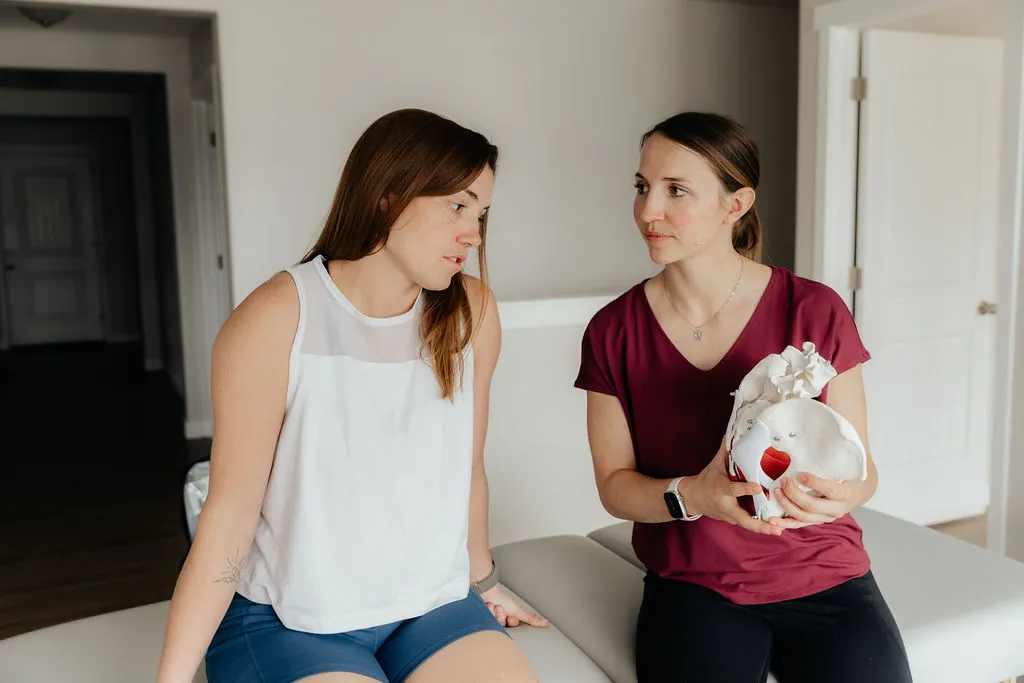
Dr. Danaya discovered pelvic floor PT after her first baby. She was in PT school at the time, dealing with pain during intercourse, stress incontinence during exercise, and urinary urgency. Within three to four sessions, she was symptom-free. It changed the course of her career—because she realized most women don’t even know this kind of care exists. That’s why she does this work.
Common Postpartum Issues
What Are You Experiencing?
You might have one of these. You might have several. Every postpartum body is different—and that’s exactly why treatment needs to be personalized.
Diastasis Recti
Abdominal separation (clinically significant at 3cm or greater) that can cause core weakness and back pain. Research shows it does not increase pelvic floor dysfunction risk. PT can help restore core function and get you exercising without fear or pain.
Learn more about diastasis recti treatment →Urinary Incontinence
Leaking when you cough, sneeze, laugh, jump, or run. This is common after birth, but it's NOT something you have to live with forever.
Learn more about incontinence treatment →C-Section Recovery
Scar tissue that feels tight, numb, or painful. Difficulty engaging your core. Sensation changes around the incision site.
Learn more about C-section recovery →Painful Intercourse
Pain during or after sex, often caused by tight pelvic floor muscles, scar tissue from tearing, or vaginal dryness. Learn what’s normal and what’s not →
Learn more about painful intercourse treatment →Back or Pelvic Pain
Persistent lower back pain, SI joint pain, or pubic symphysis pain that didn't resolve after delivery.
Learn more about back & pelvic pain →Pelvic Organ Prolapse
Feeling of bulging or pressure in the vagina. Sensation that something is "falling down" or heaviness in the pelvis.
Learn more about prolapse treatment →Trouble Returning to Exercise
Unable to run, jump, or do high-impact activities without leaking or pelvic pressure. Core doesn't feel stable during workouts.
Learn more about returning to exercise →Ready to start feeling like yourself again? Schedule a Free Consultation →
How Physical Therapy Helps
What Does Postpartum Pelvic Floor PT Actually Do?
Postpartum pelvic floor PT assesses and treats the muscles, connective tissue, and coordination of your entire pelvic system—not just the pelvic floor in isolation. It includes manual therapy, core rehabilitation, scar tissue work, and progressive strengthening tailored to your specific birth experience.
This isn’t just Kegels (in fact, Kegels alone are rarely the answer). A good pelvic floor PT looks at everything that attaches to and affects the pelvis—your back, hips, core, diaphragm, and movement patterns—then assesses whether your pelvic floor muscles are squeezing when they should squeeze and relaxing when they should relax. Learn why Kegels alone rarely solve the problem →
What Treatment Includes:
- Pelvic Floor Assessment: Internal and external exam to evaluate muscle strength, coordination, and any areas of tension or weakness
- Core Rehabilitation: Specific exercises to manage diastasis recti and restore core activation for all of the core muscles — including curl-ups, which a randomized controlled trial showed improve abdominal strength without worsening separation or pelvic floor disorders (the research has changed)
- Manual Therapy: Hands-on treatment for scar tissue (C-section or tearing), muscle tension, and joint dysfunction
- Breathing & Alignment: Learning to use your breath and posture to support pelvic floor healing
- Progressive Strengthening: Gradually rebuilding strength for daily activities and exercise
- Return to Activity Plan: Safe progression back to running, lifting, high-impact workouts
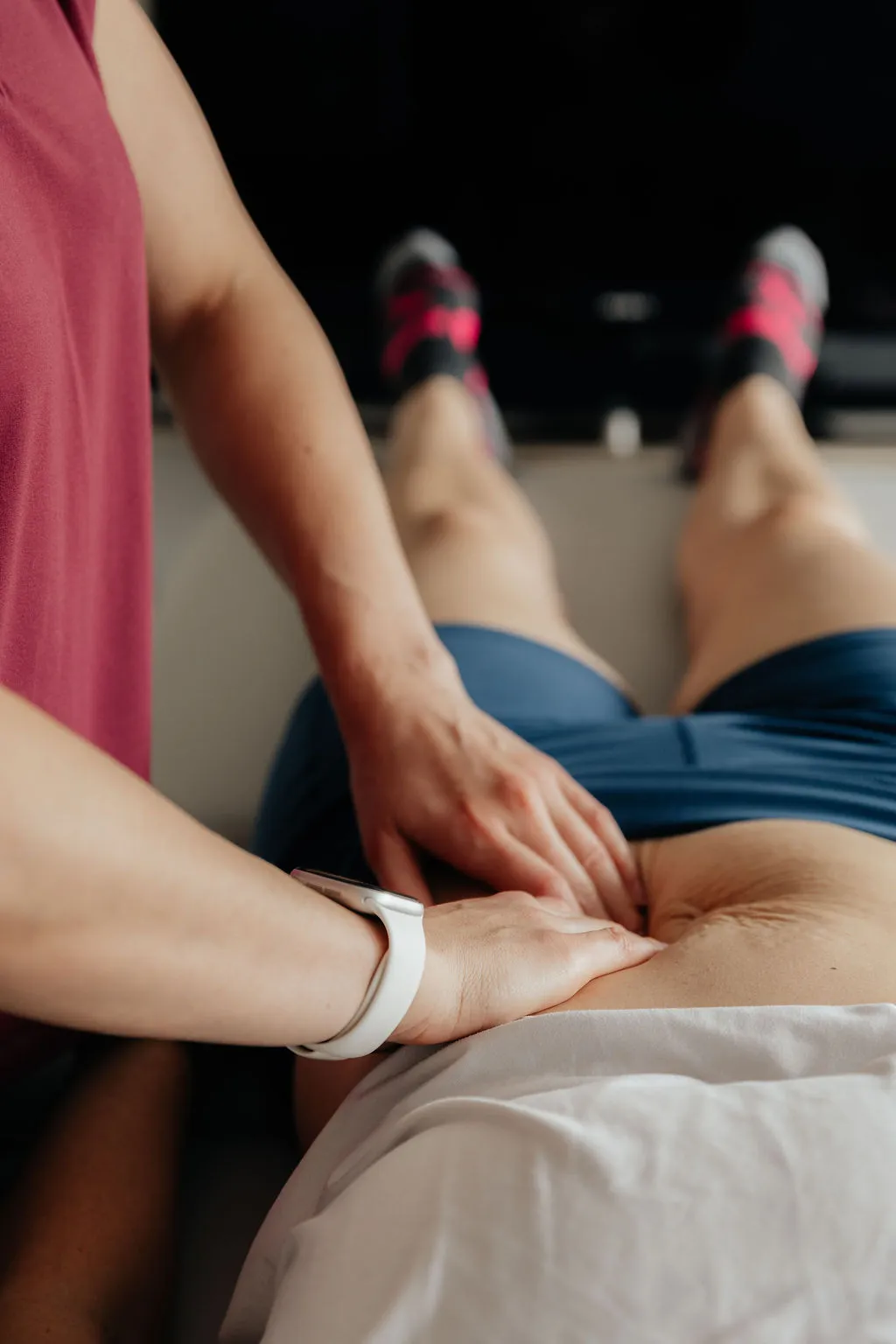
This Is What Whole-Person Treatment Looks Like
One of Dr. Danaya’s patients was working at a packing company and had been scheduled for a hysterectomy to treat her prolapse. Another PT had told her surgery was her only option. After one to two months of pelvic floor PT—focused on lifting form, breath coordination, bowel habits, and external pelvic support—she canceled the surgery. Her symptoms were gone.
That’s what happens when treatment addresses the whole picture, not just a single diagnosis.
Timeline & Expectations
When Should I Start Postpartum Pelvic Floor PT?
You can start sooner than most women think. You are more than just a pelvis—physical therapy for your back, hips, core, and movement patterns can begin within the first few weeks after delivery. Internal pelvic floor assessment typically waits until after your 6-week clearance, but Dr. Danaya can always have a conversation with your provider if she feels you would benefit from internal treatment sooner. Read our complete guide to postpartum PT timing →
Many women benefit from earlier intervention, especially if symptoms are affecting their daily life or their ability to care for their new baby.
You also don’t need to wait until you’ve “had all your babies.” Pelvic floor PT is incredibly important between pregnancies to help maintain strength and stability throughout your body and to prepare you for your next pregnancy.
Years postpartum? It’s never too late to start. Dr. Danaya has successfully treated women who had their children decades ago. Your body can still heal and strengthen—you just need the right guidance.
The Cost of Waiting
- Financial: Incontinence pads, specialty underwear, and eventual surgical procedures add up—often thousands of dollars over time
- Physical: When exercise is painful or embarrassing, women stop moving—increasing risk for cardiovascular disease, diabetes, and osteoporosis
- Emotional: Disconnection from your partner, avoiding social gatherings, giving up activities with your kids, loss of identity and confidence
It impacts every aspect of your life. Read why women wait years for pelvic floor help—and why you don’t have to →
What to Expect
What Happens at Your First Postpartum PT Visit?
Your first visit is a dedicated 60-minute evaluation where Dr. Danaya personally reviews your birth story, assesses your whole body, and evaluates your pelvic floor function. You will never feel rushed, and you will leave with a clear understanding of what’s going on and how to fix it. Before your visit, you’ll fill out a health history form so Dr. Danaya understands your full picture before meeting you.
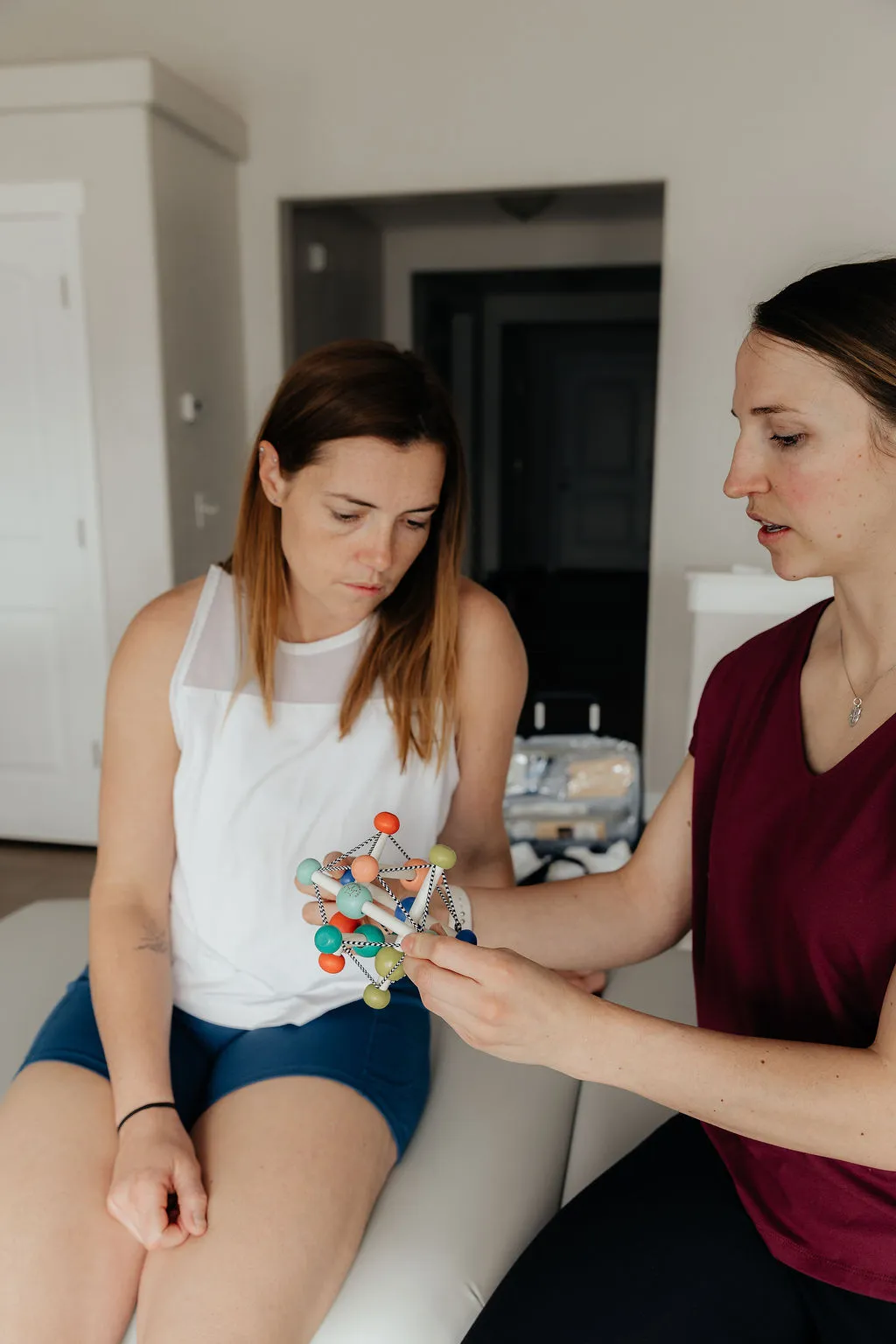
During Your 60-Minute Initial Evaluation
Health History Discussion: Review your birth story, current symptoms, and what you’re hoping to achieve
Movement Assessment: Evaluate your posture, breathing patterns, core activation, whole body movements, and any areas of weakness, pain, or compensation
Pelvic Floor Assessment: Internal and external assessment to evaluate pelvic floor muscle strength, coordination, and any areas of tension or scar tissue. This is always optional and fully explained before proceeding.
Treatment Plan & Initial Therapy: Discuss findings, answer questions, and begin hands-on treatment or exercise instruction
Follow-Up Treatment Sessions (60 Minutes)
Each session includes manual therapy, therapeutic exercises, and education. You'll receive a home program to continue progress between appointments.
You Are Always in Charge
Dr. Danaya explains every technique before and during every session. Internal exams are always optional—you can stop at any time, and you never have to do anything you’re not comfortable with. If you have a history of trauma, she adapts her approach with sensitivity and care. Your pace, always.
Treatment Comes to You
No childcare to arrange, no waiting rooms, no loading everyone into the car—Dr. Danaya comes to your home so you can focus on healing.
Your Specialist
Why Dr. Danaya Gets Postpartum Recovery
Dr. Danaya Kauwe is a Doctor of Physical Therapy with a Pelvic Rehabilitation Practitioner Certification (PRPC)—requiring over 2,000 hours of direct pelvic patient care and a rigorous proctored exam. She’s a former NCAA Division I track and field athlete who has been through the full spectrum of postpartum recovery herself—four times.
Her first baby led her to discover pelvic floor PT and changed the direction of her career. Her second recovery was the hardest—an unexpected home birth, postpartum depression, sleepless nights, and months of feeling unlike herself before finding her way back. Her third pregnancy brought leaking symptoms in the third trimester that forced her to stop playing volleyball. Her fourth recovery was her best, because she applied every principle she teaches her patients—consistent exercise through pregnancy, core work, a pelvic support belt, and a return to the gym at six weeks feeling strong.
Each recovery was completely different. That lived experience shapes every aspect of her care. She doesn’t offer platitudes about “bouncing back.” She knows what it actually takes.
Postpartum recovery is not about becoming who you were before. It’s about moving forward into a new phase—and there is beauty in that change and growth.
Patient Stories
What Does Recovery Actually Look Like?
One of Dr. Danaya’s patients described feeling like a shadow of herself. She couldn’t exercise. She couldn’t keep up with her kids. She was afraid she would never feel like herself again. Her goal was to hike Mount Timpanogos without symptoms.
After months of dedicated work together—rebuilding her pelvic floor, her core, and her confidence—she hiked it. Twice. No leaking. Not even sore. She was glowing.
That feeling—that radiance when a woman reaches her goals—is what this practice is named after.
“Danaya helped me heal after my fourth pregnancy and it was hands down the BEST thing I’ve done for my postpartum self. You can tell that Danaya cares so much about providing thorough treatment and is fully invested in your health and healing. I also loved seeing almost immediate results with some of the stretches and dry needling done in my appointments. It’s amazing how much progress can be made in just one appointment, let alone a few months of care.”
— Allison M. — Postpartum Recovery
“I am 5 months postpartum and I am so thankful I found Radiant. She shows up at your home with all the equipment and supplies which is so convenient as a mom. It was a full 60 minute, one on one session. She was so thorough and focused on me and my healing, that the hour flew by. The dry needling has been extremely effective and my muscles no longer feel stiff and in pain. Dr. Danaya made me feel comfortable, at ease, and explained everything she was doing step by step. Most importantly, she made me feel deserving of treatment.”
— Angela G. — Postpartum Recovery
*Verified Google reviews for Radiant Pelvic Health & Wellness. Patient stories are shared with permission and details changed to protect privacy.
Common Questions
Postpartum PT FAQ
Do I need a doctor's referral?
No. Utah is a Direct Access state, meaning you can see a physical therapist without a physician referral. However, some insurance companies require one for reimbursement—we can help you figure this out during your free consultation.
Is the internal exam required?
No. While an internal pelvic floor assessment provides the most accurate information, it's always optional. Many issues can be addressed with external treatment alone, and Dr. Danaya will never pressure you to do anything you're uncomfortable with.
Can I bring my baby?
Absolutely! Many patients bring their babies to appointments. We'll work around feeding schedules and fussy moments—your baby is always welcome.
How many sessions will I need?
Most patients see significant improvement within 10-12 sessions, though this varies based on symptoms and goals. Dr. Danaya will give you a realistic timeline during your initial evaluation.
I had a C-section. Do I still need pelvic floor PT?
Yes! Even though you didn't deliver vaginally, pregnancy itself affects the pelvic floor. Plus, C-section scar tissue can cause pain, core weakness, and other issues that respond well to PT. Many C-section patients benefit tremendously from pelvic floor therapy.
Will this help me get back to running?
Absolutely. Dr. Danaya is a former NCAA Division I track athlete and specializes in helping postpartum athletes return to high-impact activity safely. We'll create a progressive plan to get you back to running without leaking or pelvic pressure.
I'm pregnant again. Can I still do PT?
Yes! In fact, addressing pelvic floor issues before your next delivery can prevent them from worsening and set you up for better recovery postpartum. Many patients continue PT through subsequent pregnancies.
Related Conditions
You May Also Be Interested In
Ready to Start Your Recovery?
Schedule Your Free Consultation
Whether you're weeks postpartum or years past delivery, Dr. Danaya personally listens to your story, answers your questions, and helps you understand what your body needs — no pressure, no commitment.
Or call/text: (385) 204-4135
In-home pelvic floor physical therapy throughout Utah Valley